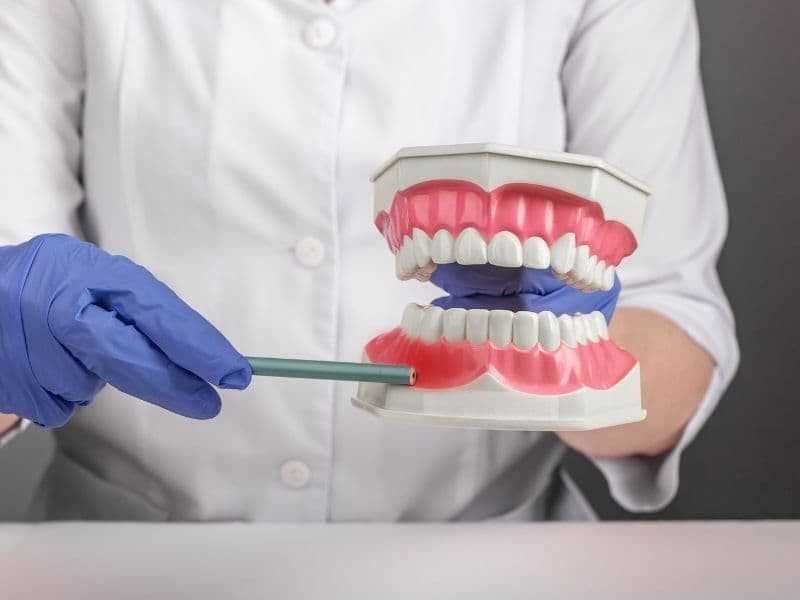
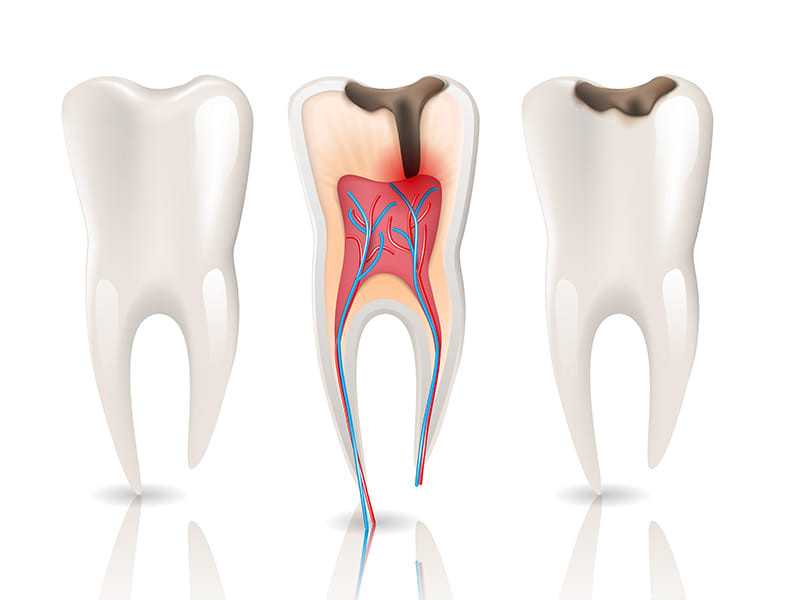
Gum diseases, commonly known among people as
‘gingival recession’, are conditions that result in tooth loss. Among the treatment goals of gum diseases are the removal of tartar and bacterial plaque, treatment of the disease through surgical techniques, informing and motivating the patient about
oral and dental care.It should be noted that gum diseases, which are popularly known as gingival recession and are faced with the loss of teeth if left untreated, are a disease that should not be taken lightly and should be taken seriously.
How to Recognize Healthy Gums?
Healthy gums should have the following characteristics:
- They are a light pink color.
- There should be a uniform gum border starting from the roots of the teeth.
- There should be no sign of infection.
- There should not be excessive redness and swelling.
- There should be no bleeding during flossing and brushing.

What are the Causes of Gum Diseases?
The main root cause of
gum disease is bacterial plaque. However, other causes are as follows:
- Hormonal and genetic factors
- Cigarette
- Stress and drug use
- Tooth clenching
- Malnutrition
- Diabetes
- Poorly performed dental treatments
What Causes Bleeding Gums and How Does It Pass?
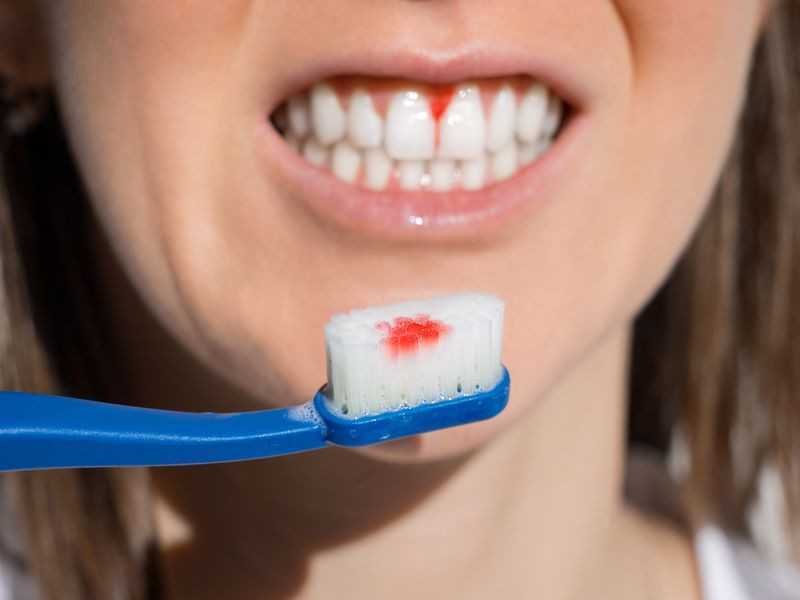
Bleeding gums is another gum disease. If there is bleeding gums, it is possible to talk about inflammation at this point. In cases where inflammation is not fully formed, plaques accumulate on the tooth surface and as a result, bleeding gums occur.
Improper tooth brushing and brushing harder than it should be during brushing causes gum diseases to occur. If there is bleeding gums that do not go away, a detailed dental examination is absolutely necessary.
What are the Symptoms of Gum Diseases?
Symptoms of gum diseases are as follows:
- Bleeding during tooth brushing,
- Swollen, red and sensitive gums,
- Gum recession,
- Separation of the gums from the teeth,
- Inflammation
- Bad breath
- If there is a prosthesis, imbalances in the prosthesis,
- Teeth that wobble or separate over time,
- The formation of gaps between the teeth,
- The gaps that already exist between the teeth are widened.
How Does Gum Swelling Go Away?
Gum swelling is seen within the scope of
gum diseases. First of all, the factors that cause
gum swelling should be investigated. The problem is detected and a treatment plan is prepared accordingly. In cases of gum swelling lasting more than 1 week, it is absolutely necessary to be examined by a dentist. In addition, attention should be paid to oral and dental hygiene, teeth should be brushed regularly twice a day and flossing should not be neglected. Otherwise, gum diseases may develop.
How is the Treatment of Gum Diseases?
Treatment of gum diseases Fethiye is carried out with non-surgical treatment methods in early stage diseases. If there is an early gum disease, teeth and roots are cleaned. The patient is given oral hygiene training. Thanks to the treatment, inflammation in the gums is reduced or eliminated. In addition, inflammation in the gums is tried to be prevented again.


What Can be Done to Prevent Gum Disease?
The following should be applied to prevent the occurrence of gum diseases:
- Regular dental check-ups are required every 6 months to ensure oral and dental health and early detection of problems that may occur.
- Daily tooth brushing and flossing should not be neglected.
- Foods and beverages that are harmful for dental health should be avoided or their consumption should be minimized.
Gingival Aesthetics (Pink Aesthetics)
Achieving
smile aesthetics is achieved not only with beautiful teeth, but also with gums that are in harmony with them, in appropriate color and borders.
The first step in achieving a harmonious, clean, eye-pleasing smile is to ensure the harmony of teeth and gums. Especially bloodless and fast-healing operations using laser are preferred in gingival aesthetics. Performing
Fethiye gingival aesthetics by an expert and experienced dentist will ensure successful results.