If left untreated, a
dental abscess infection can spread to other parts of the jaw, head, and neck region, and in advanced stages, it can spread throughout the body and become life-threatening.
What is an Abscess?
An
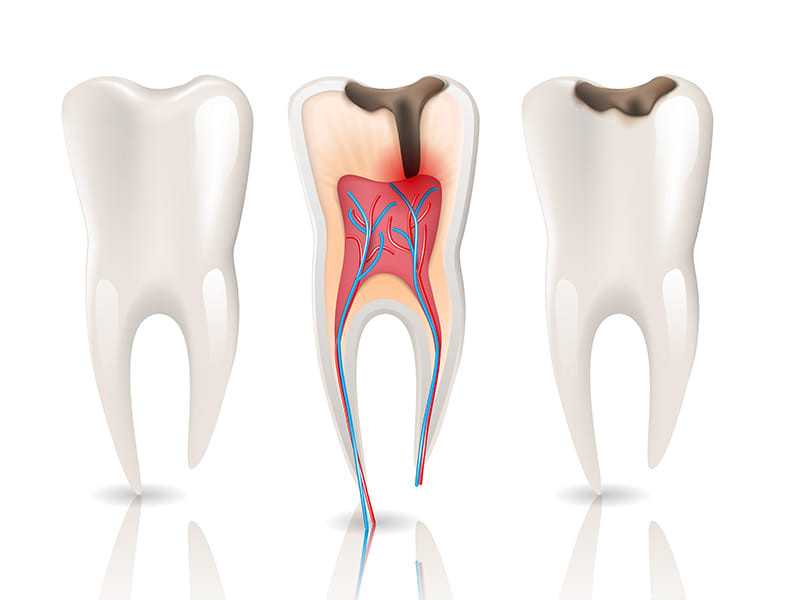
abscess is a collection of pus that can form in any part of the body, in an invisible compartment or surface, affecting general health. When infection occurs in the body, the immune system is adversely affected. A dental abscess is a localized inflammation that can be seen in gum tissues, around them, or in the bone holding the tooth. It manifests itself with pus accumulation in the inflamed area. There are different causes of abscess formation, and it can be named differently (such as periapical abscess, etc.) depending on the location of the abscess.
What Causes Dental Abscess?
There are many factors that cause dental abscess formation, and it would be incorrect to mention a single definitive cause. An abscess forms when bacteria enter the tissues around the tooth and the tooth itself. Tooth fractures, cavities, and gum diseases are among the primary causes of dental abscess. A
dental abscess manifests with a throbbing pain and can cause high fever in advanced stages.
What Are the Types of Dental Abscess?
There are
different types of dental abscess, and these types are determined based on their location. The 3 most common types of dental abscess can be listed as follows:
- Gingival abscess: Type of abscess seen in the gums
- Periapical abscess: Type of abscess seen at the tip of the tooth root
- Periodontal abscess: Abscess seen around the tooth root that can spread to the bone


Ways to Prevent Dental Abscess
Ways to prevent dental abscess can be listed as follows:
- It is very important to care about oral and dental health and pay attention to hygiene to prevent dental abscess
- Regular dental check-ups should be attended, and teeth should be cleaned if necessary
- Teeth should be brushed twice daily
- Flossing should not be neglected
- Consumption of sugary foods and beverages should be reduced
How is Dental Abscess Diagnosed?
A dentist can detect the presence of a dental abscess by listening to the patient’s history and examining the tooth and surrounding area. The presence of an abscess can also be detected through touch and pressure, as this will cause pain if an abscess is present. Additionally, an X-ray can detect abscesses in teeth and gums. A CT scan may also be performed to determine if the abscess-related infection has spread.
How is Dental Abscess Treated?
When you visit a dentist with suspicion of dental abscess, general checks are performed, and if an abscess is detected after evaluation, an X-ray is taken to understand which stage the abscess is in. After the X-ray, the proximity of the infection to the nerves in the teeth is examined. If there is an infection reaching the nerves, root canal treatment is performed and the nerves are removed. After necessary procedures for cleaning the gums, curettage of the abscess areas is performed. Surgical intervention may also be performed if local anesthesia methods are deemed insufficient depending on the inflammation condition. The most common treatment method for dental abscess is root canal treatment. With root canal treatment, abscess treatment can be done in a single session, and the person can immediately return to daily life.
Dental Abscess Rupture
In some cases, a dental abscess may rupture. This rupture can be caused by built-up pressure. When an abscess in the tooth root or gums ruptures, the accumulated pus drains and a foul liquid spreads in the mouth. A bad smell and taste occur, indicating that the abscess has ruptured. Even though pus drains when the abscess ruptures, this doesn’t mean treatment isn’t needed, and a dentist should evaluate the condition. The appropriate treatment can be applied even after the dental abscess has ruptured.
Ways to Prevent Dental Abscess
There is no definitive way to prevent dental abscess formation, but paying attention to oral and dental hygiene is a prerequisite to minimize the risk of abscess formation. It is recommended to keep teeth clean, brush twice daily, and use dental floss. Regularly checking dental health and having teeth cleaned if deemed necessary by the dentist can also prevent abscess formation.