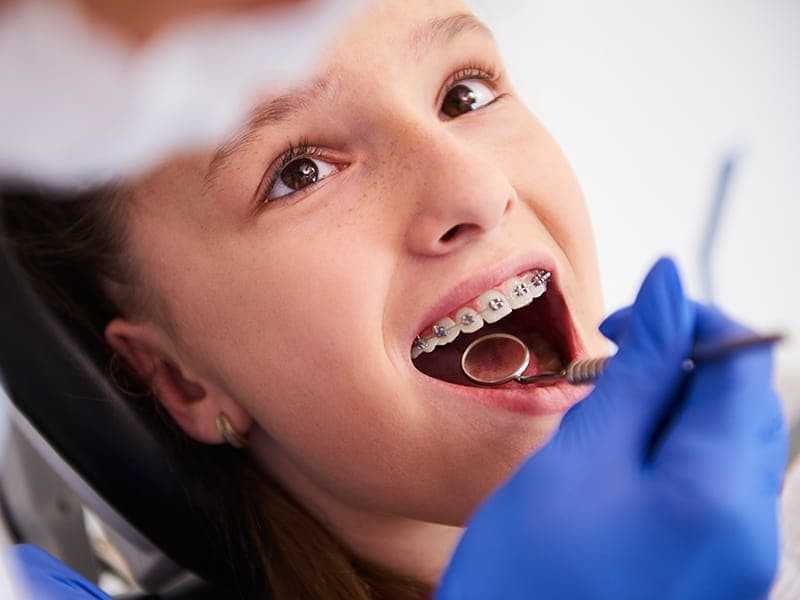
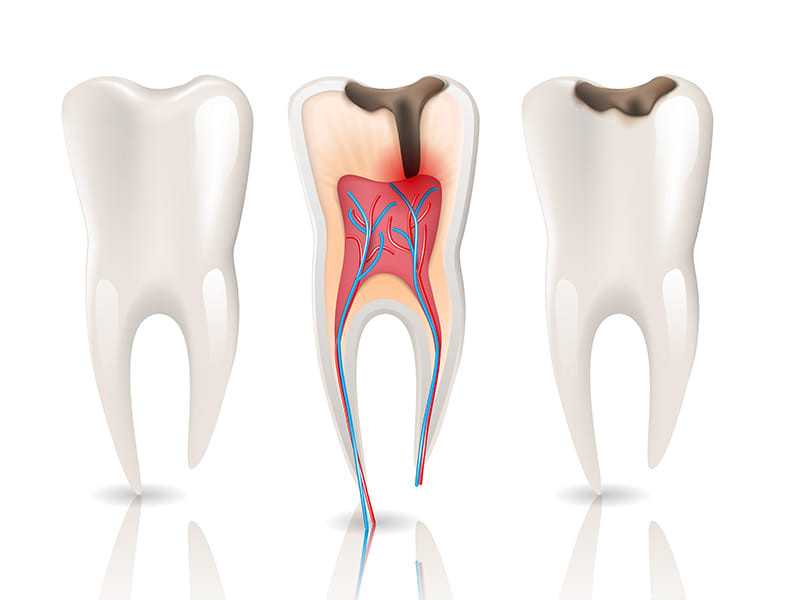
Prosthetic dental treatment is applied for people’s lost teeth. Teeth decay over time and are lost if necessary treatment is not provided. Prostheses are placed to replace these lost teeth.
What is Prosthetic Dental Treatment?
Prosthetic dental treatment aims to fill the gaps created by lost teeth and achieve a healthier oral structure. Due to missing teeth, a person may experience difficulties while eating and even speaking. Prosthetic treatment is applied to overcome these difficulties. Prosthetic teeth can be placed in tooth gaps either for all teeth or to complete however many teeth the person is missing.
Prosthetic dental treatment can be performed in many ways. The type of prosthesis to be made can be chosen depending on the person’s preference. In prosthetic dental treatment, first, the person’s dental impression is taken. An attempt is made to match the person’s original tooth form. Even if the previous tooth wasn’t compatible with other teeth, the prosthetic tooth is designed to harmonize with other teeth and create unity. Afterward, a fitting trial is performed in the mouth. The compatibility of the made tooth is checked. In the final step, the tooth placement is performed after all controls are made. Patient approval is obtained before the fixation stage, and the prosthetic tooth is fixed only after patient approval. After fixation, excess parts are cleaned to achieve a completed appearance.
When is Prosthetic Dental Treatment Applied?
Prosthetic dental treatment is a method that can be applied for one or multiple tooth losses. Prosthetic dental treatment can be applied to people who have enamel loss, those who are unhappy with their teeth’s appearance, those who have dental structure deterioration due to certain diseases or trauma, and those with jaw bone deformities. Prosthetic teeth are used due to tooth loss. These tooth losses can create undesirable situations related to both functional impairment and appearance. Therefore, prosthetic teeth help people achieve their desired position both aesthetically and functionally.
What are the Advantages of Prosthetic Teeth?
The biggest advantage of prosthetic teeth is that the person’s chewing function becomes much better. Besides this, the advantages of prosthetic teeth can be listed as follows:
- Because the chewing function is at a more normal level, the person can eat and drink whatever they want, or even digestive problems can be solved due to more balanced chewing.
- It helps people who are psychologically challenged due to gaps in their teeth feel more confident.
- Speech impediments caused by tooth gaps are corrected.
- In prosthetic treatments, it’s possible to achieve whiter teeth by selecting tooth color.
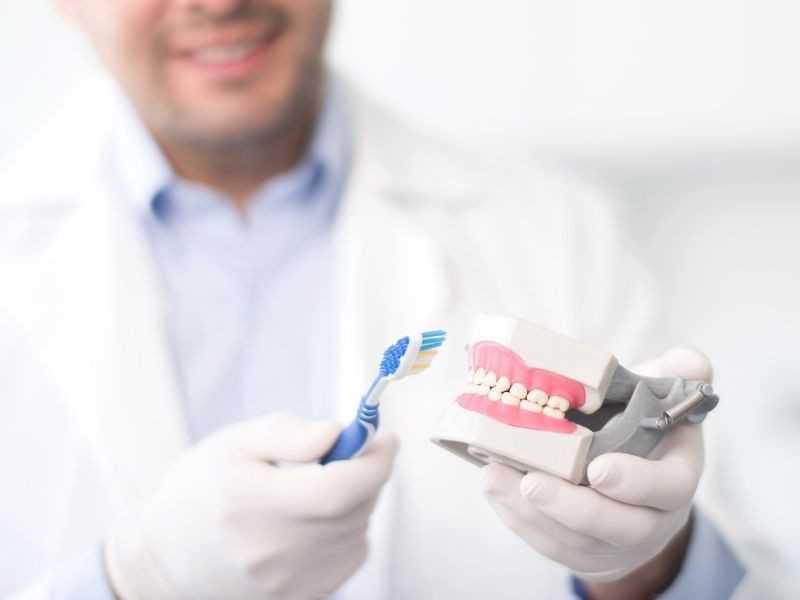

What are the Types of Prosthetics?
Prosthetic types are basically divided into two as fixed and removable. Removable prosthetic types are listed as follows:
- **Total Prosthetics**: used when there are no teeth in the mouth.
- **Partial Prosthetics**: applied when some natural teeth remain.
- **Precision Attachment Prosthetics**: can be used if multiple teeth are missing.
- **Immediate Prosthetics**: performed with the extraction of all primary teeth.
- **Overdentures**: applied by providing retention on several existing natural teeth or roots.
Implant Options in Prosthetic Treatments
Implant-supported prosthetics can be applied in prosthetic treatment. There are two types of implant-supported prosthetics in fixed prostheses. These are called all-on-four and all-on-six. These prostheses have 4 or 6 fixed implants, and prosthetic teeth are placed on these implants. In semi-removable prostheses, implants are more in the front, and there is enough bone to hold the prosthetic teeth. Other implant types can be listed as follows:
Ball attachment prostheses; prostheses made with 2 implants from the lower jaw and 4 from the upper jaw.
Locator attachment prostheses; in this type of prosthesis, implants are placed with 4 in the upper jaw and 2 in the lower jaw. It’s a more advanced system.
Bar attachment prostheses; there are 4 implants in both upper and lower jaws. They are placed symmetrically.
Bar-supported locator prosthesis is used in cases of bone deformity.
How to Care for Dental Prostheses?
Dental prosthesis care is important. If prostheses are desired to be long-lasting, dental care must be prioritized. Since prosthetic teeth are divided into fixed and removable, their care may also differ. In the care of removable prostheses, daily cleaning of the prosthesis is important. Because food particles enter the prosthesis during the day, it’s important to perform this care every day. The prosthesis should be removed and cleaned before sleeping. Water temperature is important. Cleaning with very hot water can damage the structure of prostheses. For fixed prostheses, care should be like normal teeth care. Brushing twice a day and occasionally using mouthwash is necessary.
Prosthetic Teeth Prices
Prosthetic teeth prices vary depending on which prosthesis will be made. Dentist Funda Erciyas provides services in the field of prosthetic teeth. For detailed information, you can reach out by clicking the WhatsApp button. You can also create an appointment from the make appointment section.